
Phone:
(+91)91013-14802
Address:
Shankar Dev Path, Navanagar, Nabanagar, Hengrabari, Guwahati, Assam 781036
Termites are among the most destructive pests, causing billions of dollars in structural damage every year. Often called “silent destroyers,” they can chew through wood, flooring, and even wallpaper—undetected—until it’s too late. Our professional termite control services are designed to eliminate active colonies and prevent future infestations, ensuring your home or business stays safe and secure.

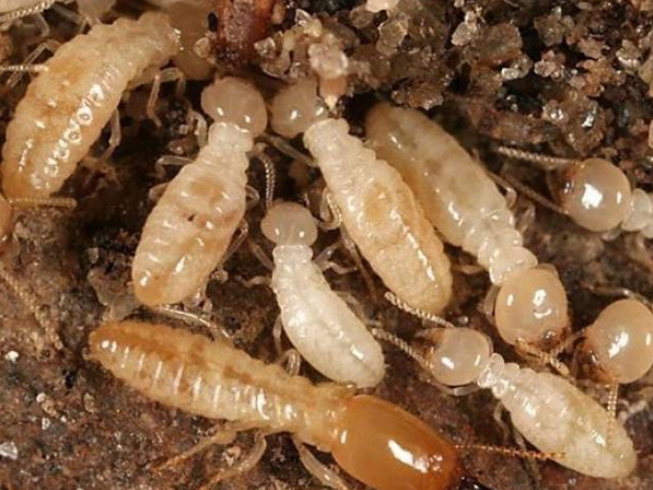
DRYWOOD TERMITES
Drywood termites are wood-destroying insects that nest inside dry, sound wood—including walls, ceilings, furniture, and even picture frames. They don’t require moisture from the ground and can live in small colonies for years before being noticed.
Drywood termites don’t need contact with soil to survive. They live inside the wood they infest, making them harder to detect and even more dangerous over time. These silent destroyers can compromise the structure of your home, damage furniture, and lead to expensive repairs if not treated quickly.
SUBTERRANEAN TERMITES
Subterranean termites build their nests below ground and require moisture to survive, making them especially common around foundations, basements, and damp wood structures. They travel through mud tubes and can enter buildings through cracks as small as 1/16 inch.
Subterranean termites are the most aggressive and destructive termite species, responsible for the majority of termite-related damage to homes and buildings. Living in underground colonies, they tunnel through soil to reach wood structures—often causing severe damage before being detected. Our expert termite control services are designed to eliminate these hidden threats and protect your property long-term.
Different termites (e.g., subterranean, drywood, dampwood) require different treatment methods. Misidentification can lead to ineffective control and recurring infestations.
Close cracks, gaps, and crevices in foundations, walls, and around utility lines to prevent termites from entering your structure.
Ensure wooden structures like decks, fences, and support beams do not touch the soil directly, as it gives subterranean termites easy access to wood.
Fix leaky pipes and ensure water doesn’t accumulate near the foundation. Moisture attracts termites and supports colony growth, especially for subterranean termites.
Always follow safety guidelines when applying termiticides. For best results and safety, treatments should be carried out by licensed pest control professionals using approved products.
Even after treatment, regular inspections help detect early signs of reinfestation. Installing bait stations or monitoring systems can provide ongoing protection.
WhatsApp us